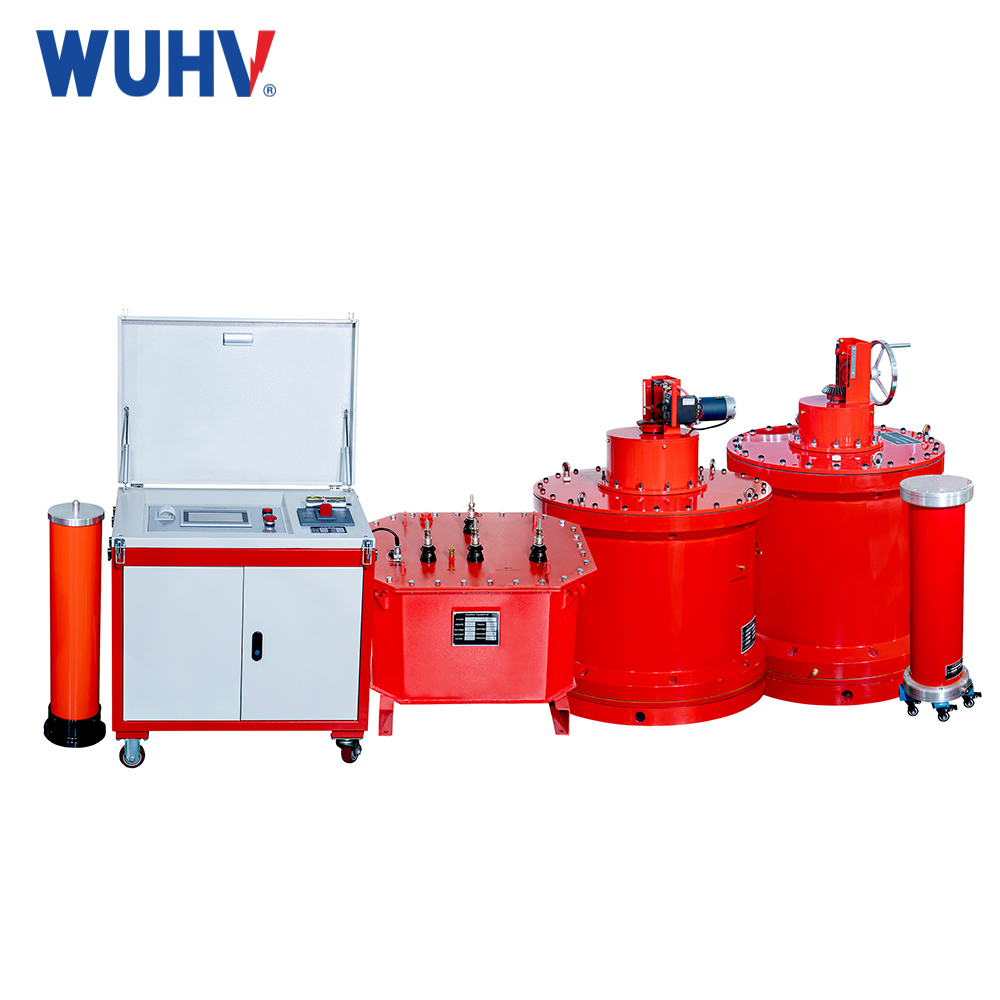
ที่motor testing platform is an important tool for testing and evaluating motor performance, widely used in various types of motor testing projects. It can not only provide test data, but also achieve real-time monitoring and data analysis of the testing process through advanced software services, providing strong support for motor design, optimization, quality control, and fault diagnosis. This article will provide a detailed introduction to which motors the motor testing platform is suitable for, as well as its main testing items and functions.
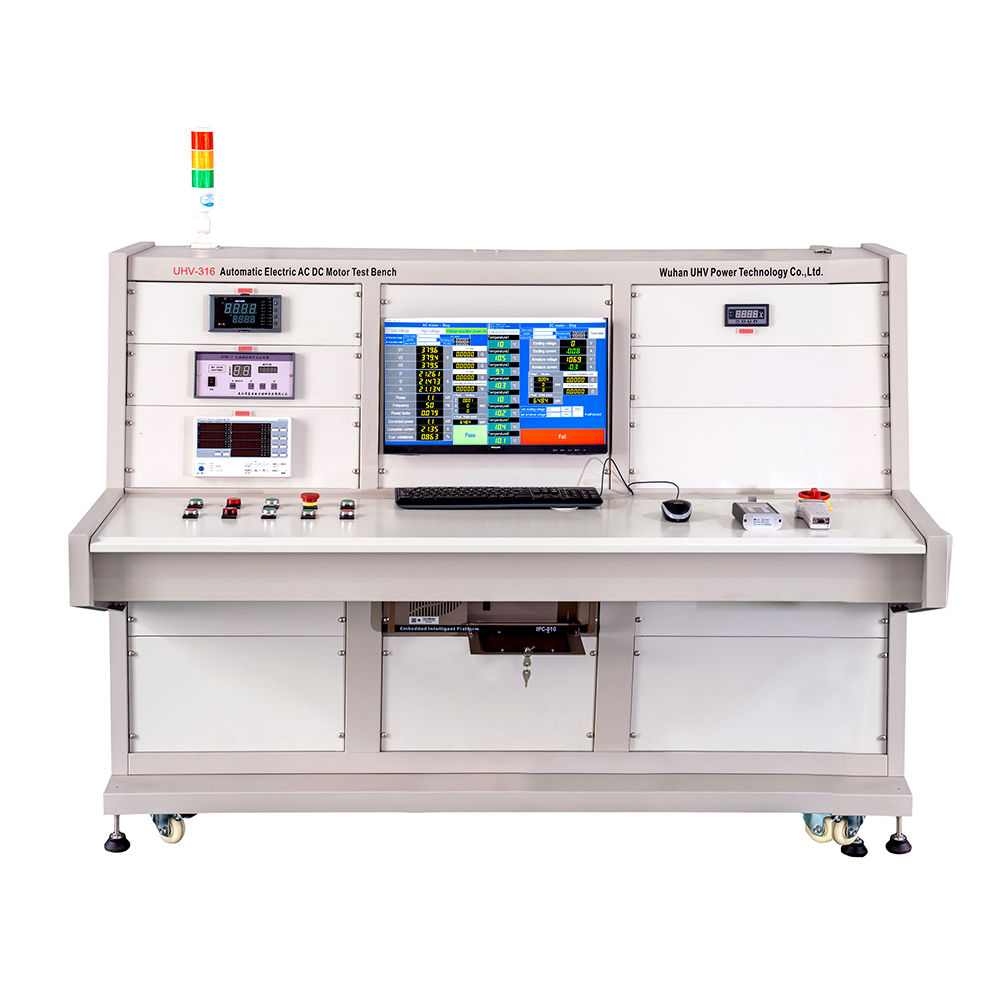
ที่motor testing platform is widely used for testing various types of motors, including AC motors, DC motors, and stepper motors. AC motor is a common type of motor in industry, widely used in various mechanical equipment. DC motors have been widely used in situations where speed and torque control is required due to their excellent speed regulation performance and starting characteristics. Stepper motors play an important role in automation systems due to their stepping motion characteristics. The motor testing platform can conduct various electrical and mechanical performance tests for these different types of motors.
One of the main testing items of the motor testing platform is insulation testing. Insulation performance is one of the key indicators for the safe operation of motors. Through insulation tests, the electrical strength of the motor's windings, insulation materials, and insulation structures can be tested to ensure that the motor will not fail due to insulation breakdown at operating voltage. The insulation test usually adopts two methods: withstand voltage test and insulation resistance measurement. The former tests the insulation's withstand capacity by applying a test voltage higher than the working voltage, while the latter evaluates the insulation's integrity by measuring the insulation resistance.
DC test is another important test on the motor testing platform. DC test is mainly used to test the electrical performance of DC motors, including parameters such as DC resistance, inductance, armature reaction, etc. These parameters are crucial for the design and optimization of DC motors, as they can help researchers gain a deeper understanding of the internal characteristics and operating rules of the motor. DC testing usually uses equipment such as DC resistance meters and oscilloscopes to measure and record various parameters of the motor, providing a basis for evaluating and improving the performance of the motor.
The no-load loss test and load loss test are two key tests on the motor testing platform. The no-load loss test is conducted when the motor is unloaded, and is used to measure the iron loss and mechanical loss of the motor. The load loss test is conducted when the motor is running with a load, to measure the copper loss and additional loss of the motor. Through these two experiments, the loss situation of the motor can be understood, providing data support for the efficiency optimization and energy-saving design of the motor.
The stall test is another important test on the motor testing platform. The stall test is conducted by applying a rated current to the motor to operate it in a stall state, in order to test parameters such as stall torque and stall current of the motor. The locked rotor test can simulate the working conditions that motors may encounter in practical applications, helping researchers evaluate the overload capacity and thermal stability of motors. The stall test is usually divided into two types: low-frequency stall test and conventional stall test. The former simulates the low-speed operation of the motor by reducing the power frequency, while the latter is conducted at the rated frequency.