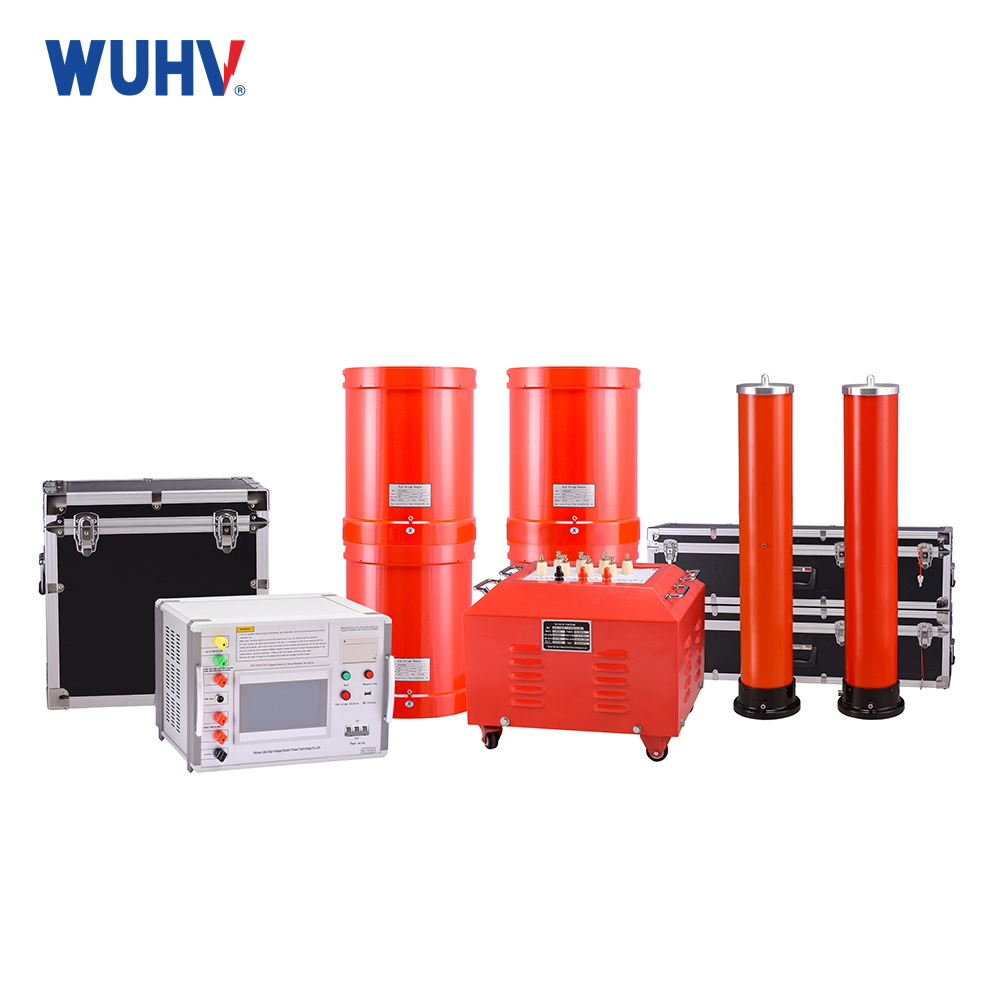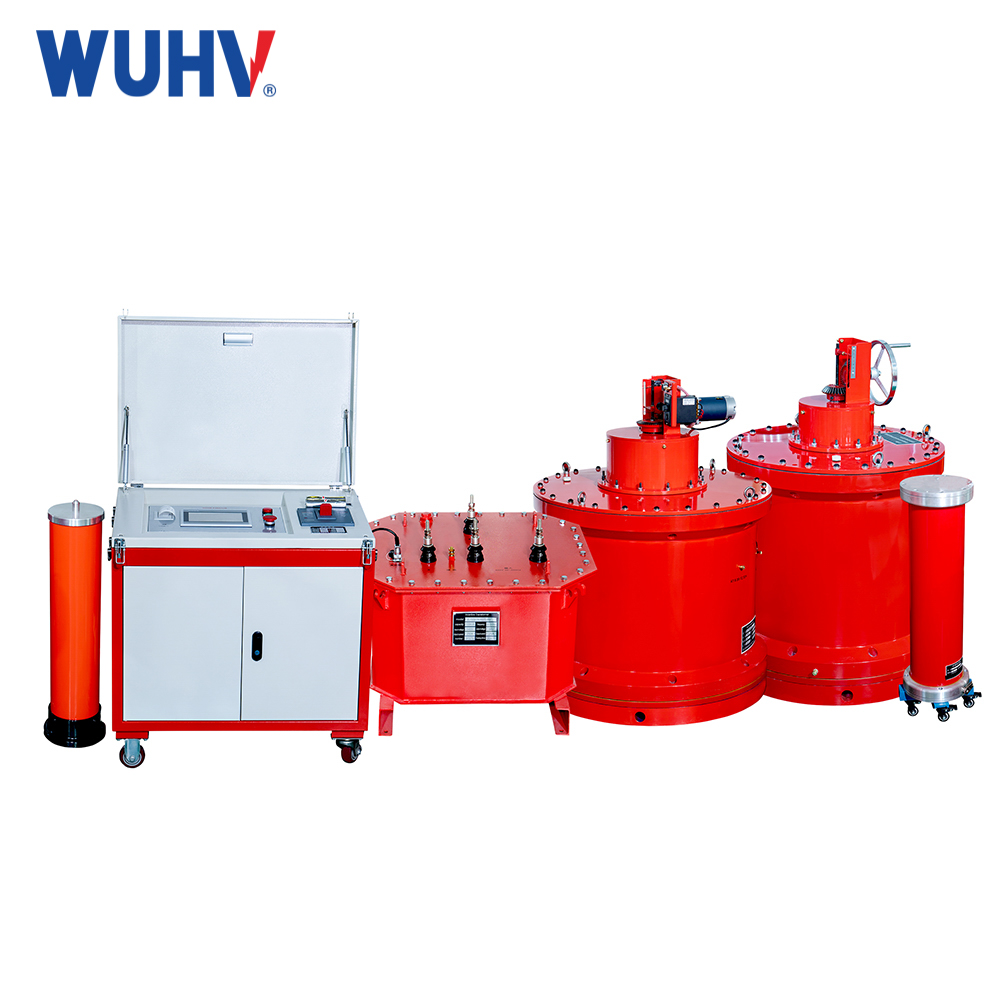
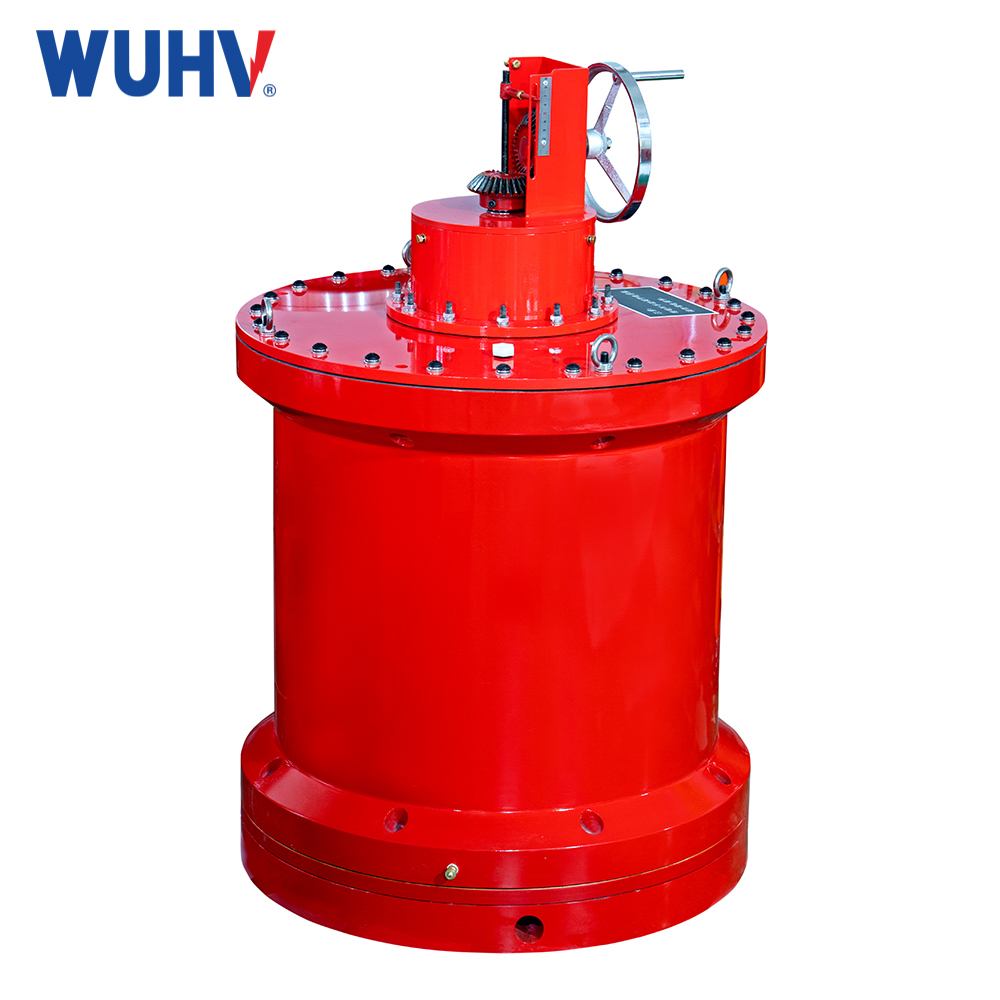
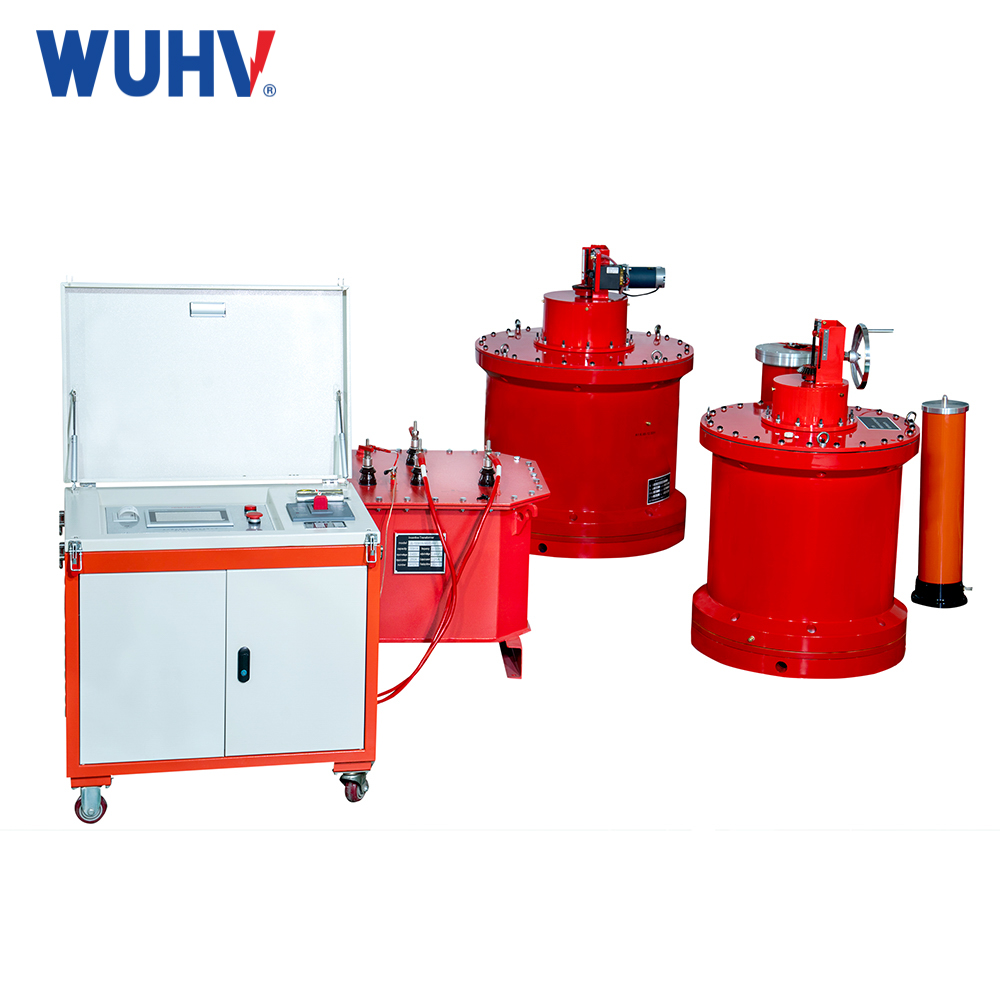
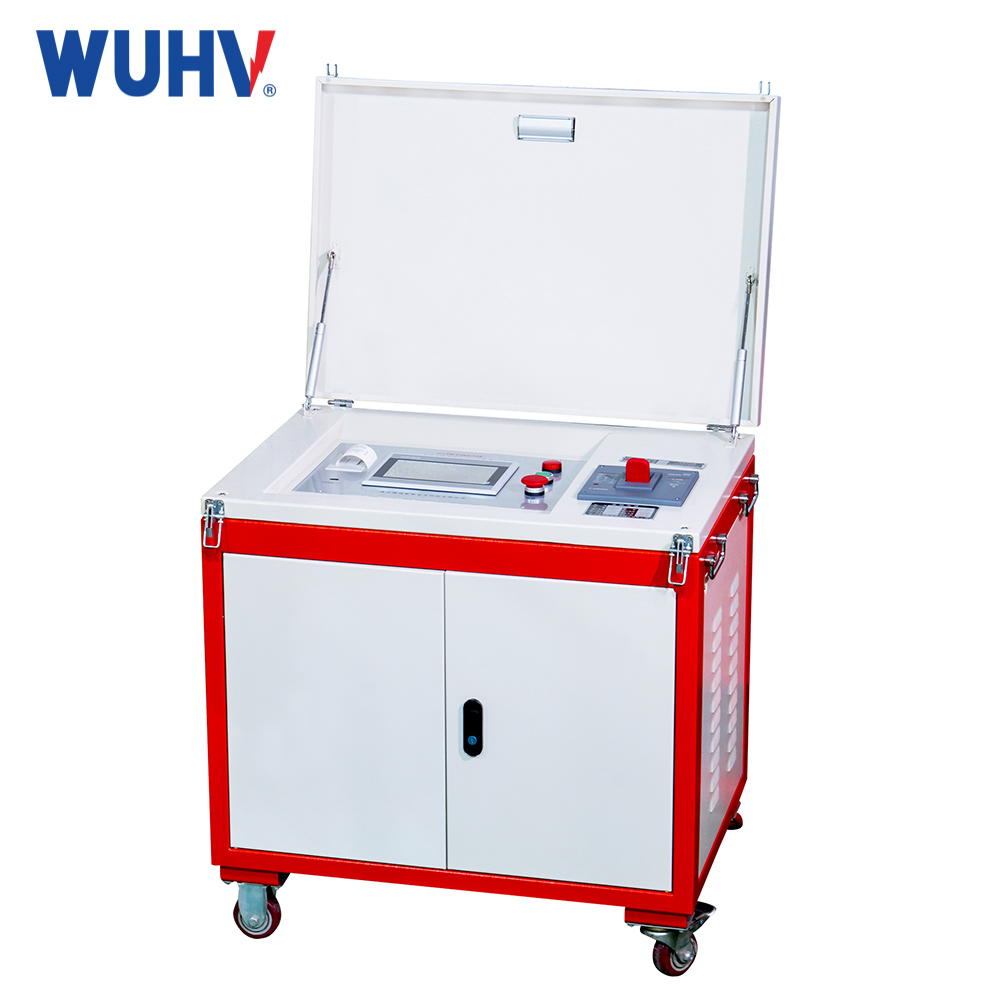
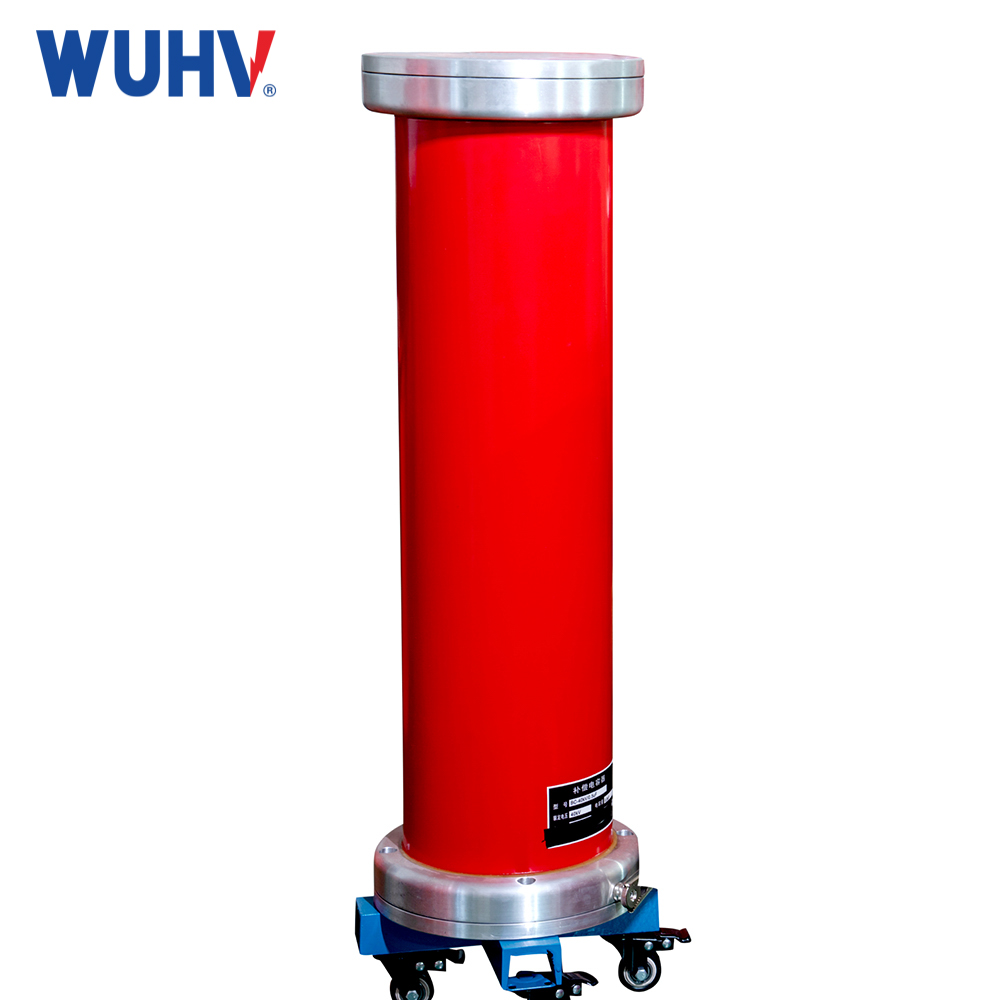


Variable Frequency AC Series Resonant Test System
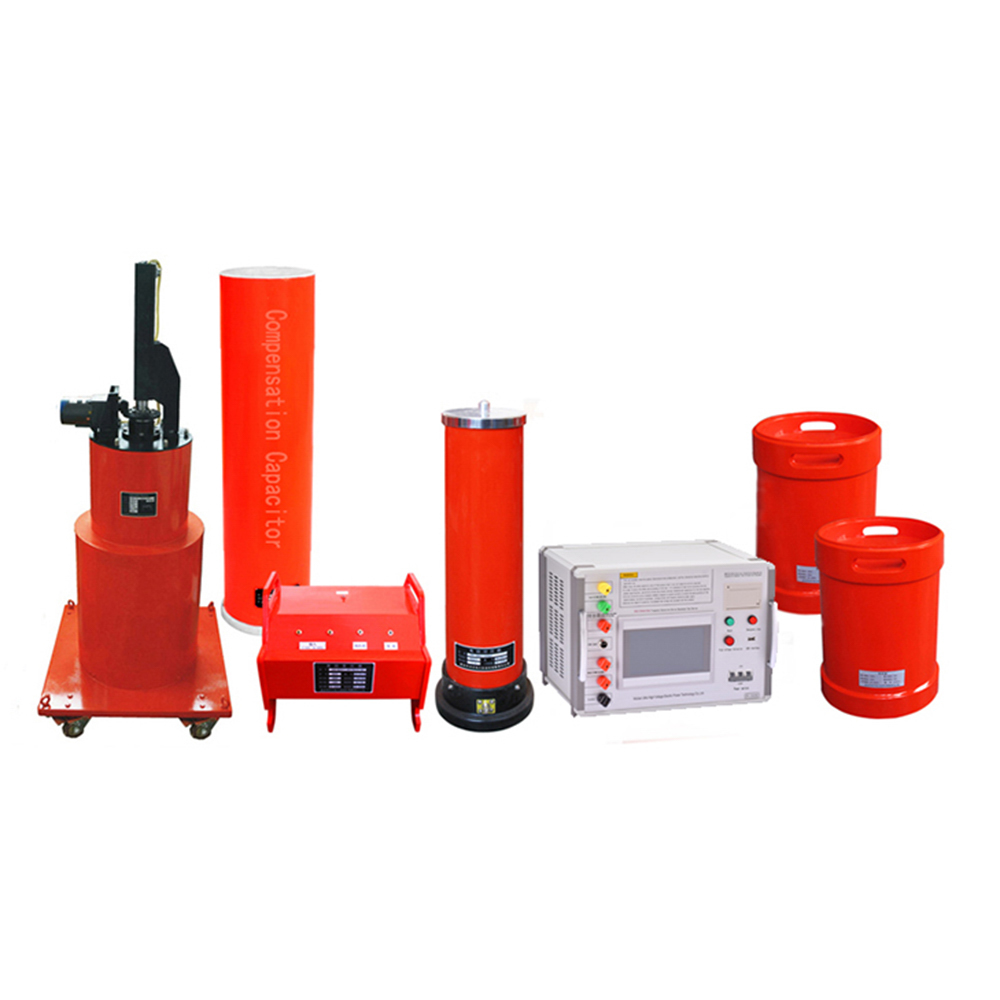
Product Introduction
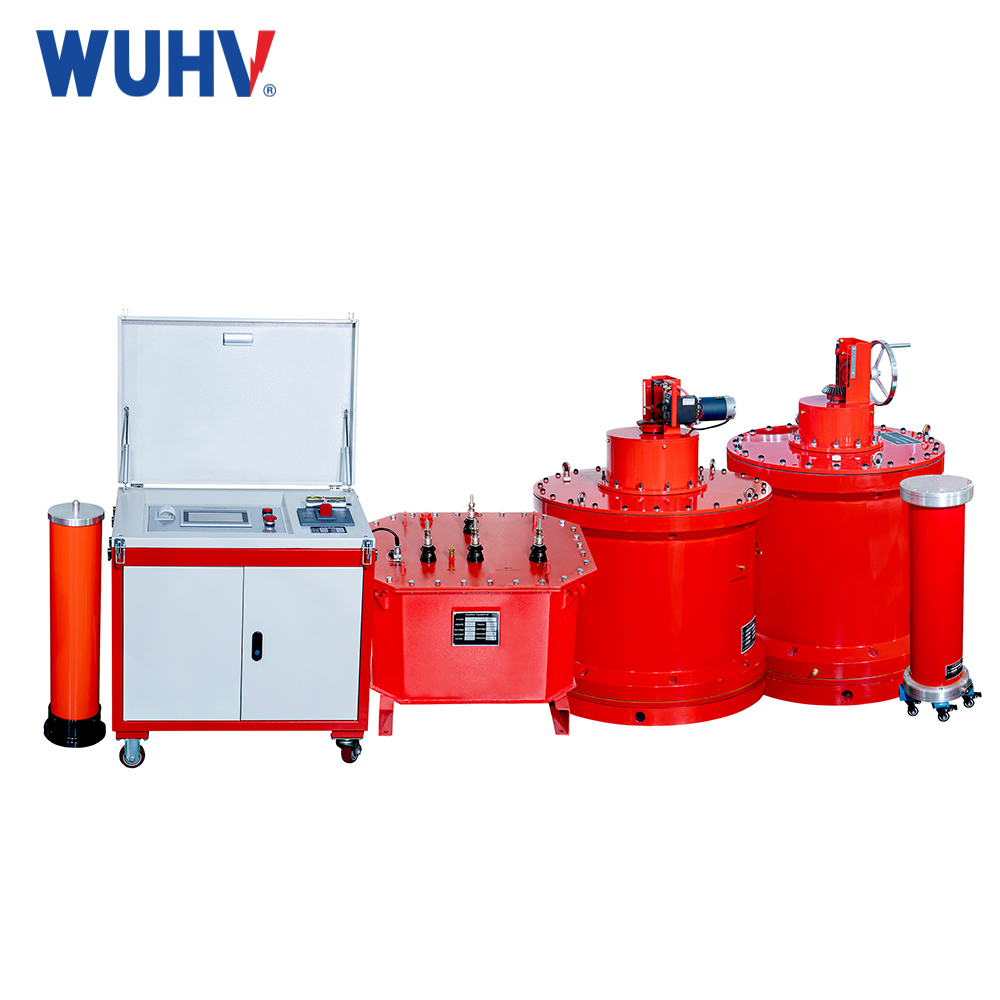
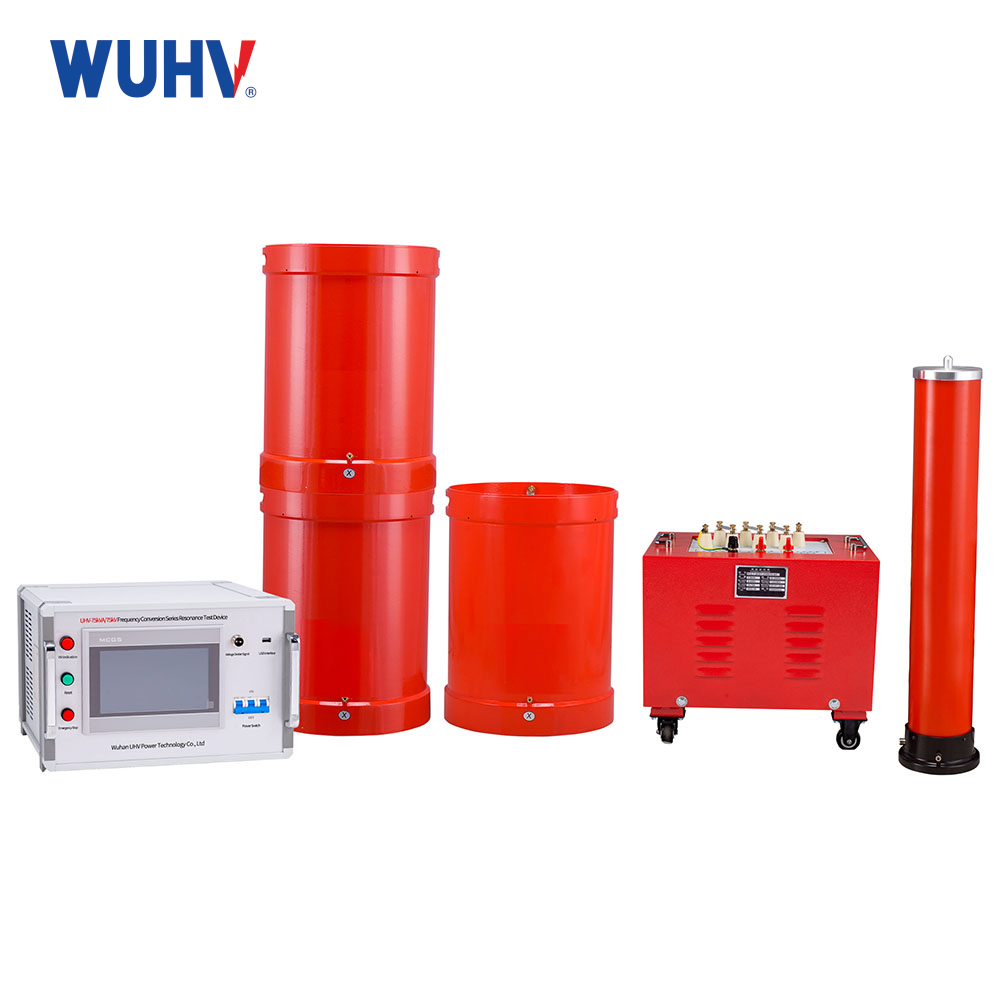
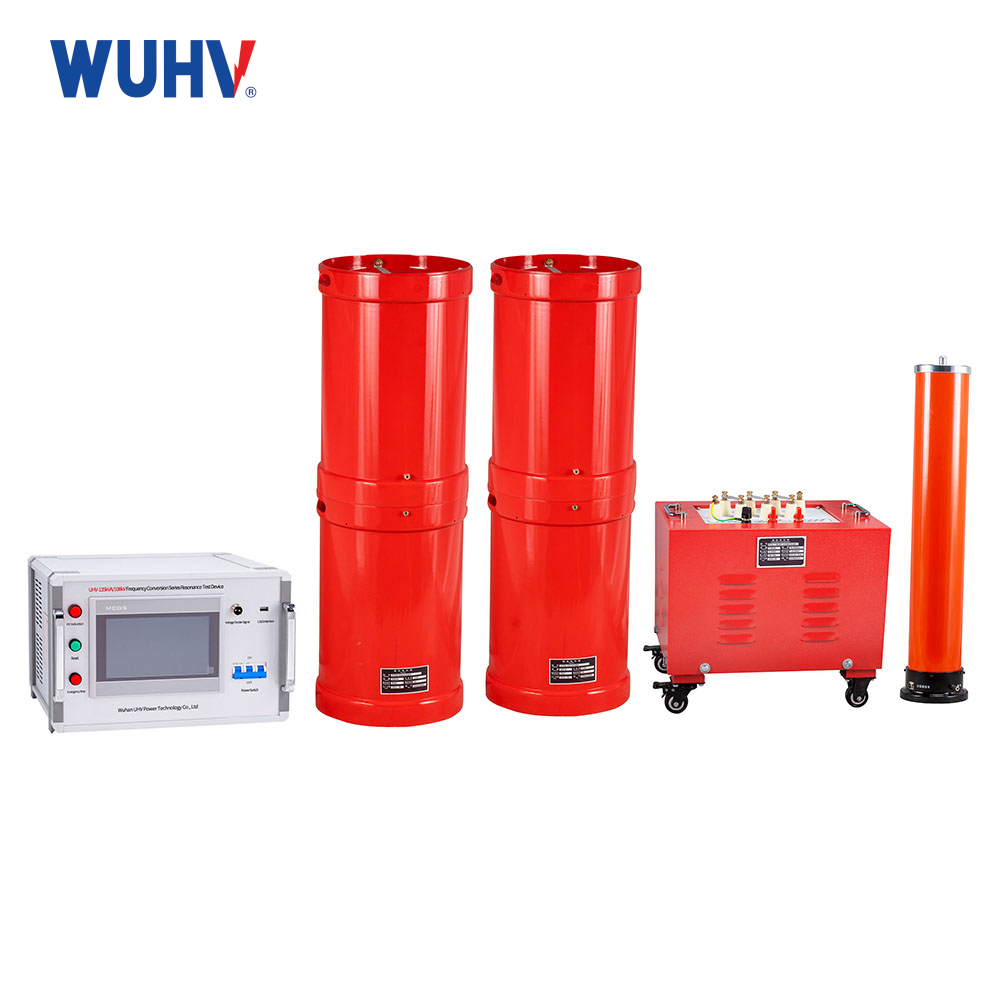
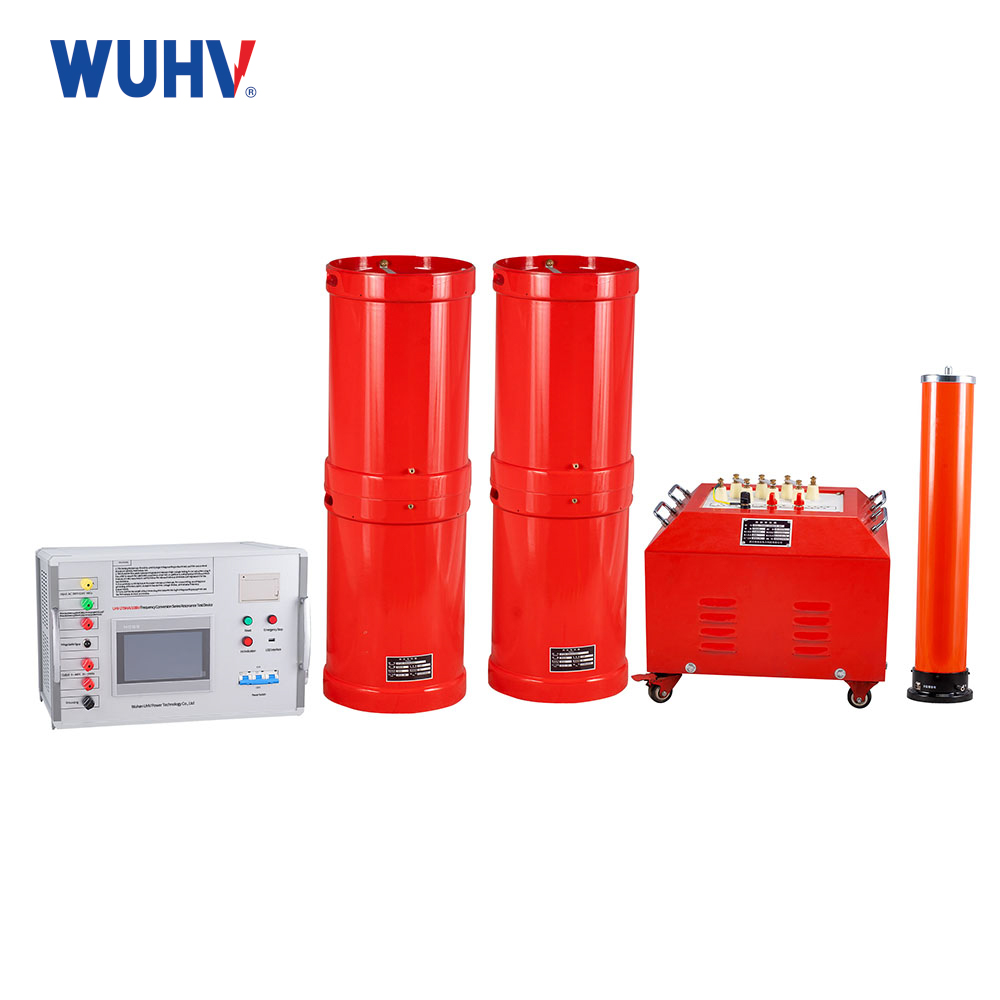
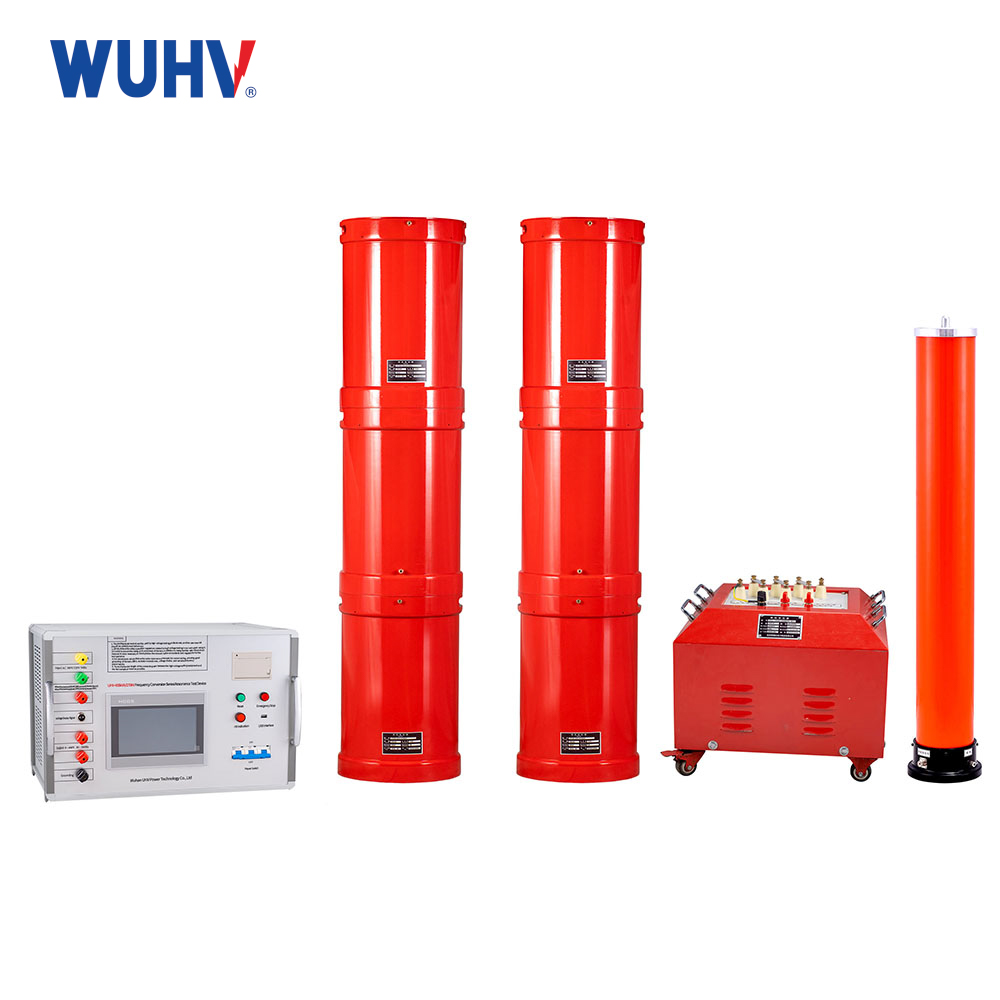
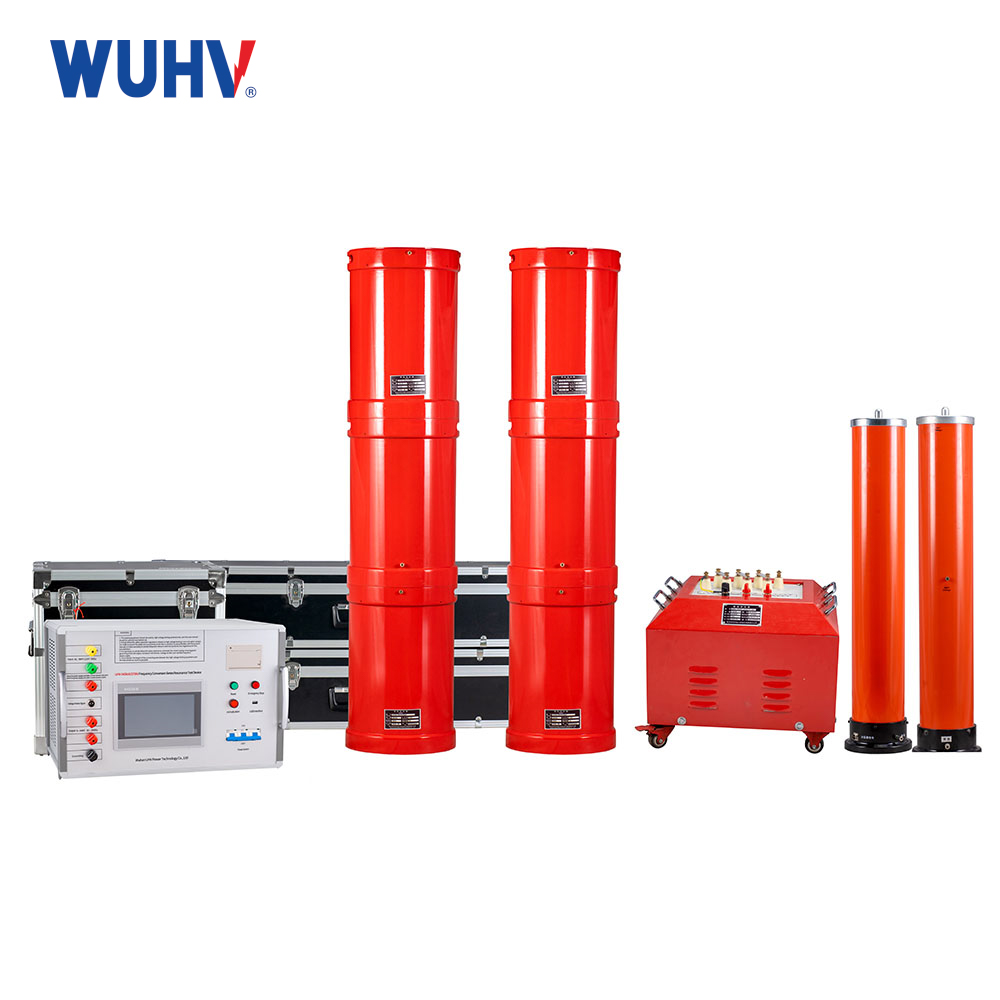
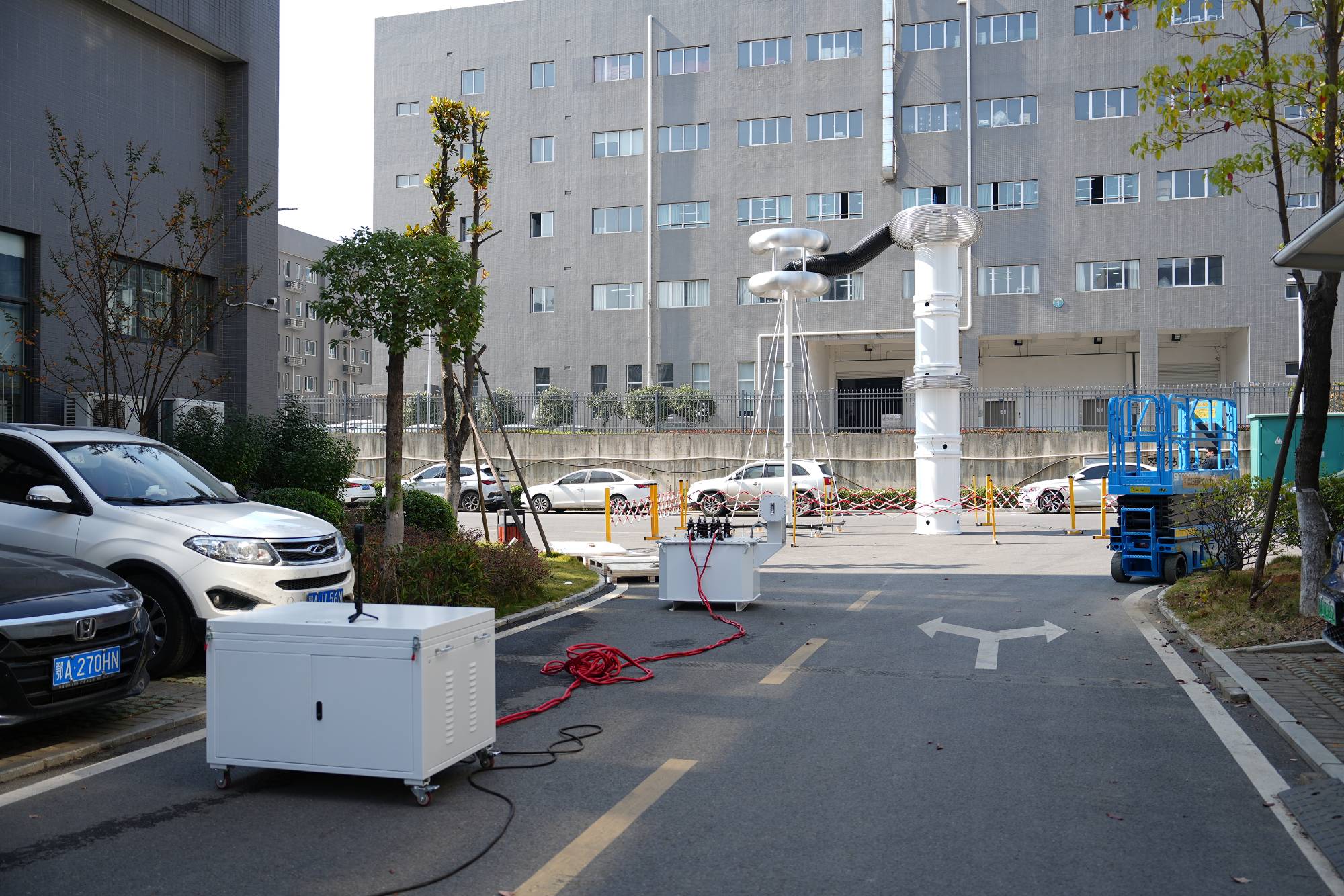
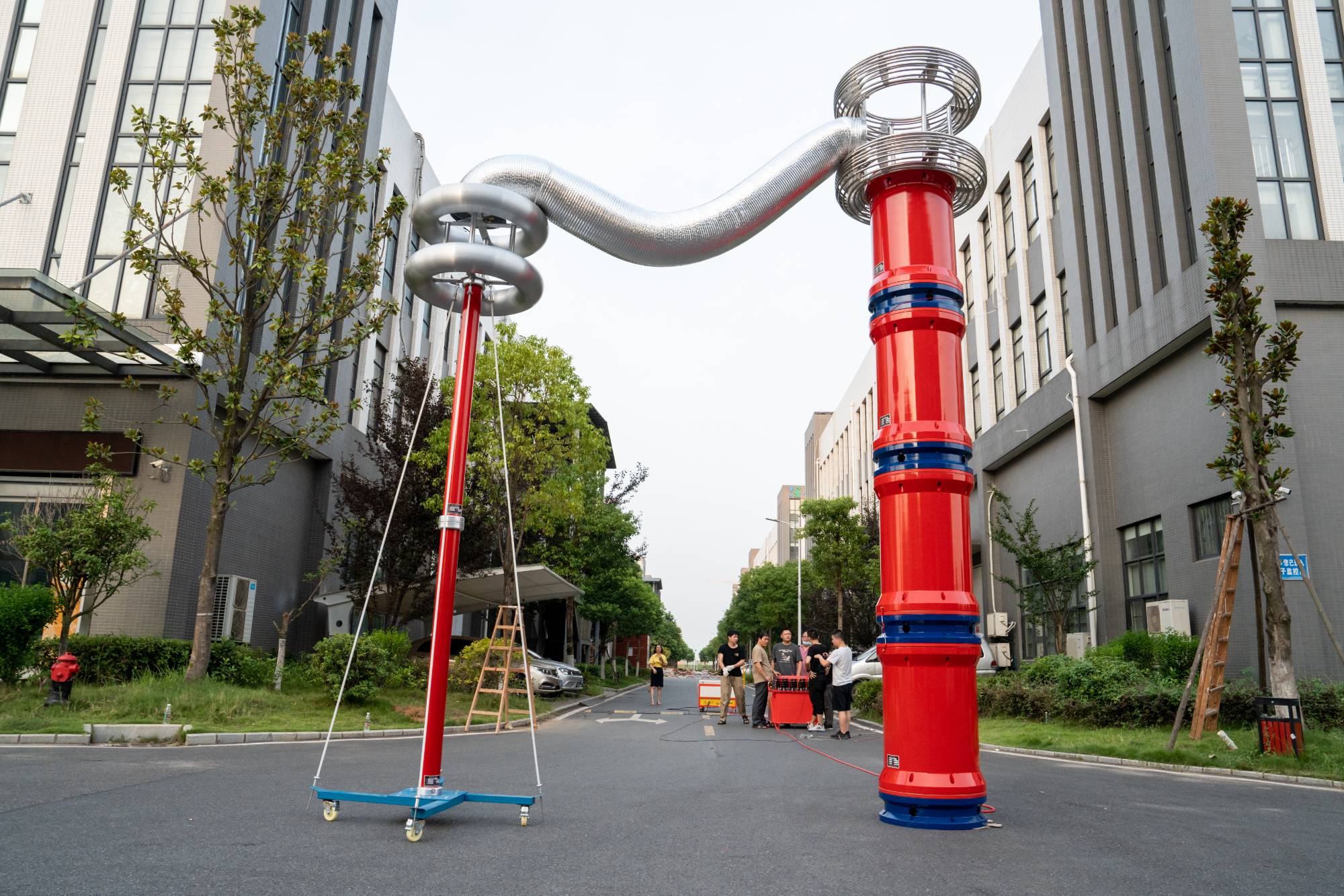
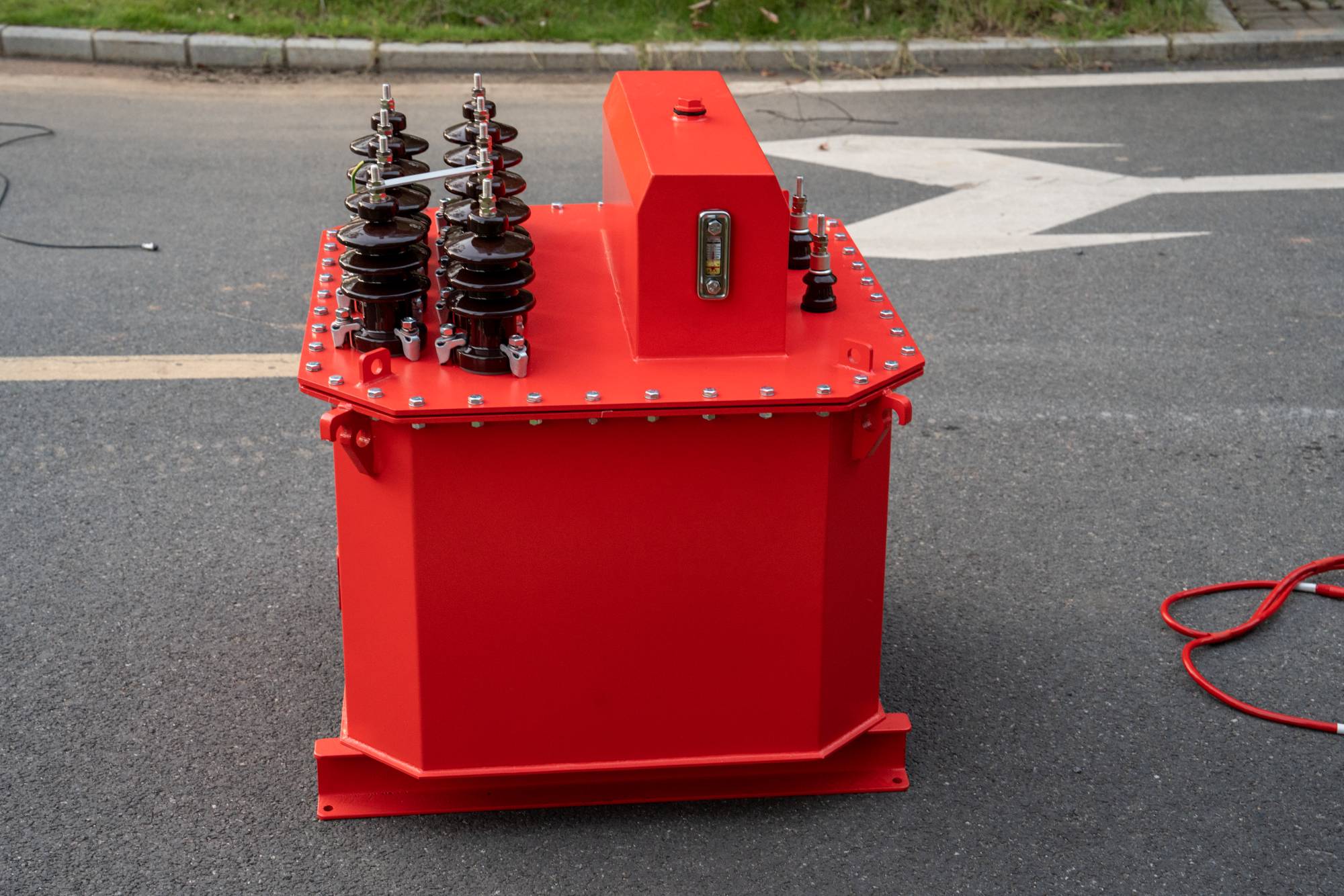
The UHV(L) Variable Frequency Series Resonant Test System is designed and manufactured for the AC withstand voltage test of 11kV/30MW hydro-generators. Inductive variable frequency series resonance withstand voltage system incorporates protection functions such as overvoltage, overcurrent, zero-start, and system detuning (flashover). Utilizing DSP platform technology, the series resonance device manufactures ensures intelligent control and high precision. With multiple work modes, the system enables flexible testing and delivers high test speed.
พารามิเตอร์ผลิตภัณฑ์
AC withstand voltage test voltage and time for rubber cable lines
| Rated voltage U0/U(kV) | Test voltage time | Time(min) |
| 18/30 and below | 2U0 | 15(or 60) |
| 21/35-64/110 | 2U0 | 60 |
| 127/220 | 1.7U0(or 1.4U0) | 60 |
| 190/330 | 1.7U0(or 1.3U0) | 60 |
| 290/500 | 1.7U0(or 1.1U0) | 60 |
Cross linked polyethylene cable line AC withstand voltage test voltage and time
| Rated voltage U0/U(kV) | Test voltage | Time(min) | |
| New operational lines or non new operational lines not exceeding 3 years old | Non new operational routes | ||
| 48/66 | 2u | 1.6U | 60 |
| 64/110 | |||
| 127/220 | 1.7U | 1.36U | |
| 190/330 | |||
| 290/550 | |||
 |  |
The difference between frequency modulation and inductive series resonance
In fact, the working principle of frequency modulation and induction series resonance is the same, both creating resonance conditions to conduct voltage withstand tests on the test sample. The difference is that the two achieve resonance conditions in different ways. Frequency modulation series resonance is achieved by changing the output power capacity and frequency to reach resonance conditions while keeping the inductance and capacitance constant; Inductive series resonance, on the other hand, achieves the resonance conditions of the experiment by changing the inductance while keeping the power output frequency and capacitance constant. Overall, both have their own advantages. Frequency modulated series resonance allows for flexible combination of reactors, while inductive series resonance allows for flexible adjustment of inductance. Both are devices used for conducting AC withstand voltage tests on large capacity electrical equipment.
Core functions and significant advantages
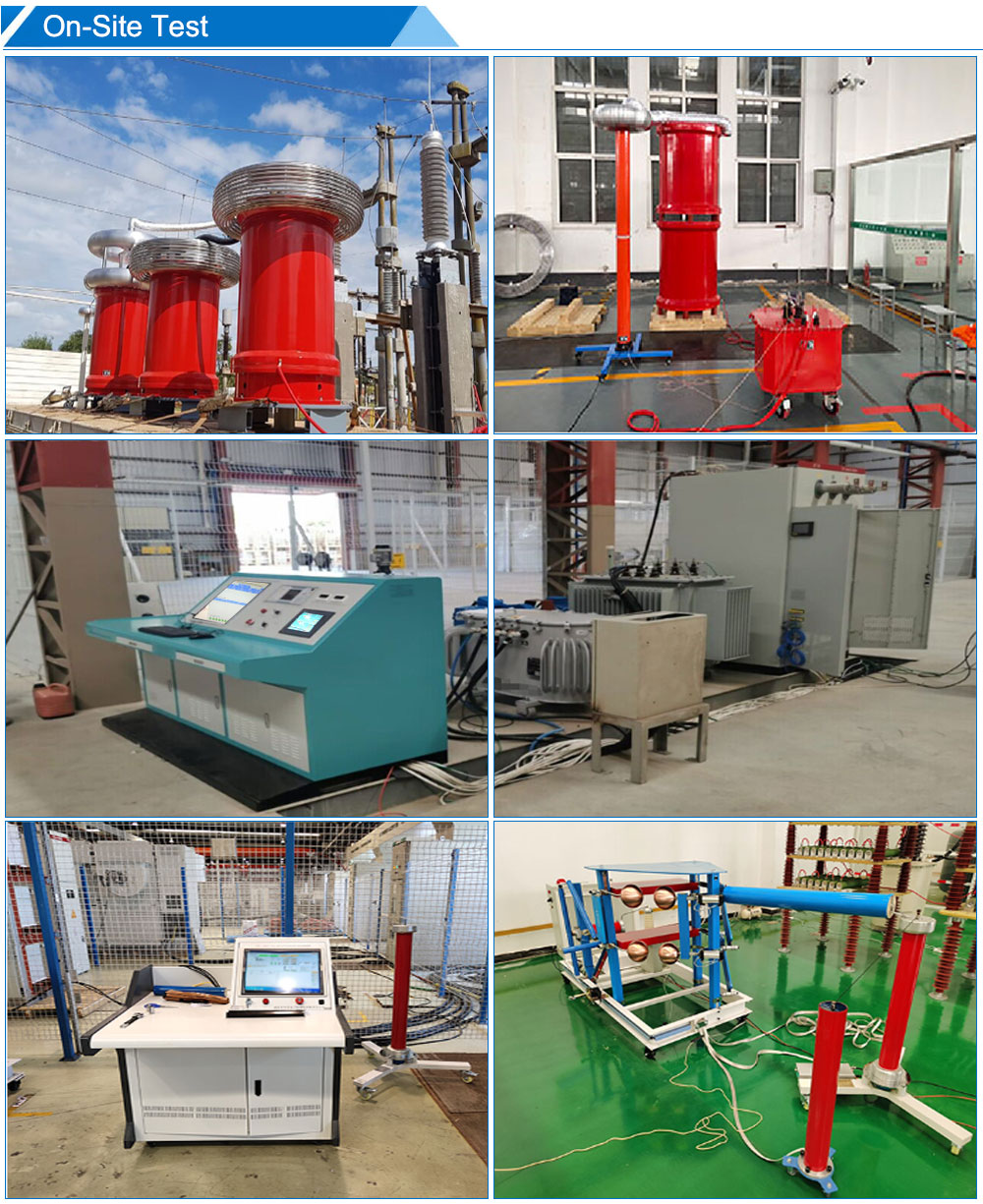
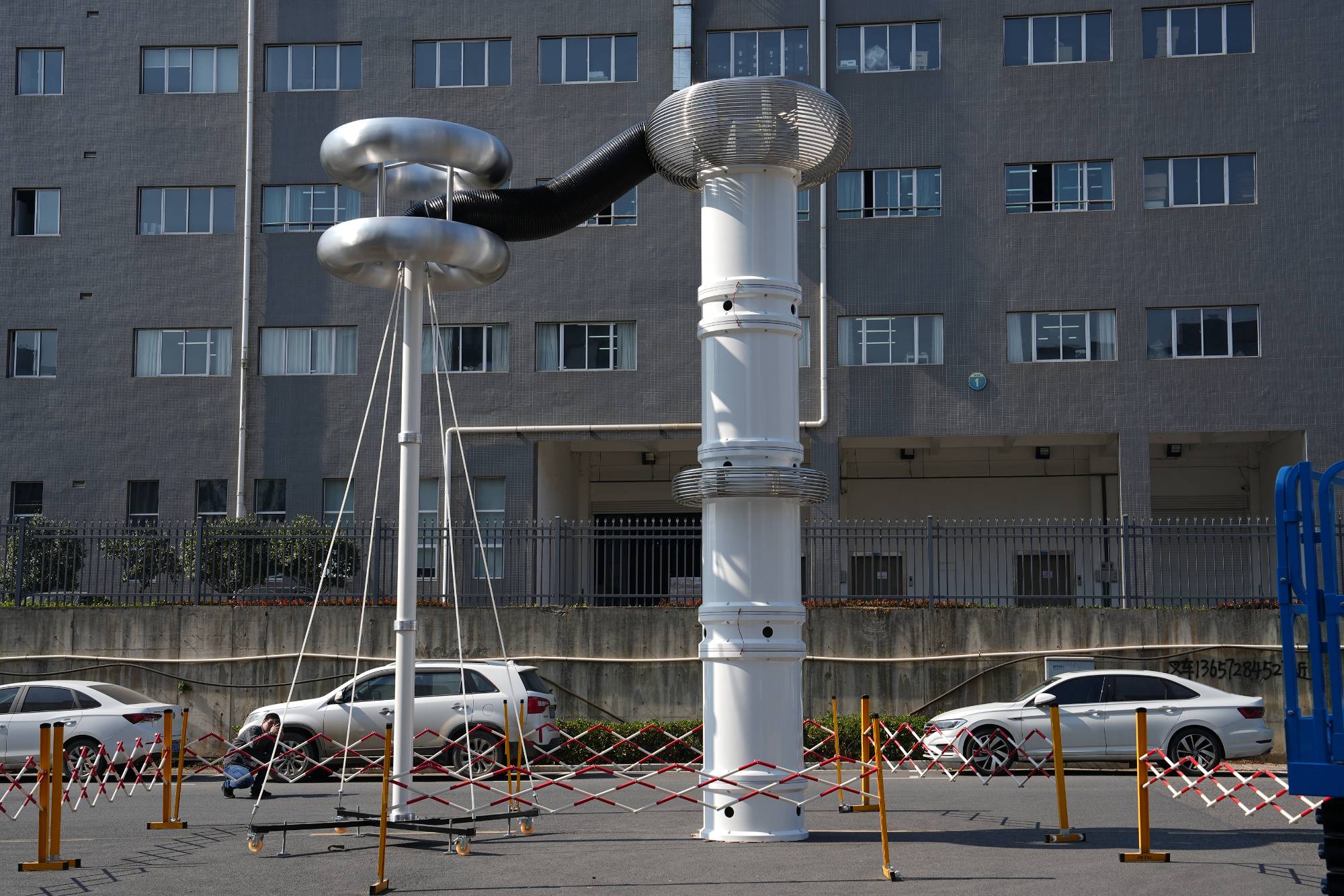
The function of the inductive variable frequency series resonant withstand voltage device meets the requirements of on-site testing, with both professionalism and practicality. The core testing functions include: AC withstand voltage testing can output high voltage from 0-500kV, support any duration of withstand voltage from 1-9999s, waveform distortion rate ≤ 2%, and meet the testing standards of different equipment; The automatic tuning function can automatically calculate the resonant frequency range based on the capacitance of the test sample, and complete the matching of inductance and frequency with one click; The data processing function displays real-time voltage, current, and frequency curves, automatically calculates the quality factor, and generates test reports that meet standards; Multi mode operation supports three operating modes: fully automatic, manual, and semi-automatic, suitable for operators with different skill levels.
Compared to traditional testing equipment, its advantages are extremely prominent: firstly, it has low power capacity requirements. When testing a 2-kilometer 110kV cable, only a 30kW power supply is needed to replace a 1500kVA traditional testing transformer;
Secondly, the output waveform is of high quality, with a sine degree far exceeding that of the power frequency equipment, to avoid damage to the insulation of the test sample caused by harmonics;
Thirdly, it has a wide range of adaptability and can meet various equipment testing requirements such as 6-500kV cables, 35-500kVGIS, 10-500kV transformers, etc. through module combinations;
Fourthly, it has strong on-site adaptability, with a working temperature range of -10 ℃ -40 ℃, supporting generator power supply without external power supply, and is suitable for remote wind and photovoltaic power station scenarios.
 |  |
Main application scenarios and cases
The application of the inductive variable frequency series resonant withstand voltage device supplier runs through the entire life cycle of power equipment and plays an irreplaceable role in the core field. In the field of equipment production, GIS manufacturers use it for factory withstand voltage testing. A certain enterprise uses this device to conduct 1.3 times the rated voltage test on 220kV GIS. Through synchronous monitoring of partial discharge, the defect detection rate is increased by 30%; Cable manufacturers use it for sampling testing to prevent products with insulation pinhole defects from entering the market.
In the field of power grid operation and maintenance, during the handover test of a 250MW hydroelectric generator at a certain hydropower station, the device detected discharge at the end of the stator coil during the boosting process. By immediately removing the harmonic and reducing the voltage to locate the defect, it was repaired and verified to be qualified, avoiding insulation faults after the unit was put into operation; In an underground cable expansion project in a certain city, the device efficiently completed batch testing of 10kV and 35kV cables of different specifications with multi-mode tuning capability, resulting in a 60% increase in work efficiency. In the field of new energy, a wind farm conducted preventive tests on the collection lines using this device. Its lightweight characteristics and wide temperature working ability are suitable for outdoor testing needs in remote mountainous areas.
Common Q&A on Series Resonance
Q1: What is the difference between series resonance test and DC withstand voltage test?
A1: The series resonance test is mainly used for the AC withstand voltage test of AC high-voltage equipment, simulating the actual operating conditions of the equipment; The DC withstand voltage test is mainly used to detect the DC insulation strength and defects of insulation.
Q2: Why can the voltage of the series resonance test be very high?
A2: The characteristic of a resonant circuit is that energy is transferred back and forth between inductance and capacitance, which can amplify voltage and generate high test voltage at lower input voltages.
Q3: What factors can cause inaccurate results in series resonance tests?
A3: Power fluctuations, inaccurate resonance frequency, environmental interference, improper operation, etc. may all lead to inaccurate results.
Q4: Does the series resonance test equipment need to be calibrated regularly?
A4: Yes, to ensure measurement accuracy, it is recommended to calibrate the equipment regularly according to metrological requirements.