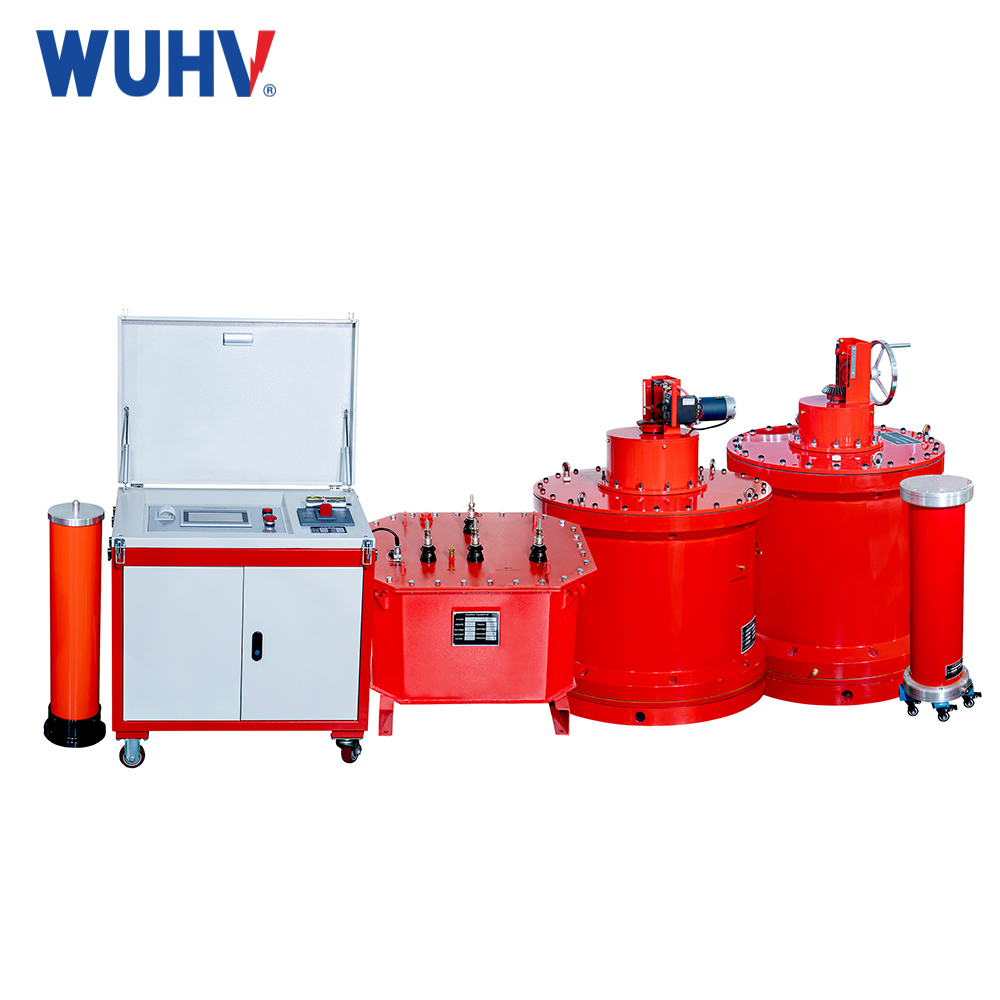
In the field of power equipment maintenance and quality inspection, "dielectric loss" is an unavoidable indicator. It directly reflects the performance of insulation materials and is related to the safe operation of power equipment. What does this somewhat technical term actually mean? What other factors can affect it? Today we will talk about the automatic dielectric loss tester and see what role it plays in ensuring power safety.
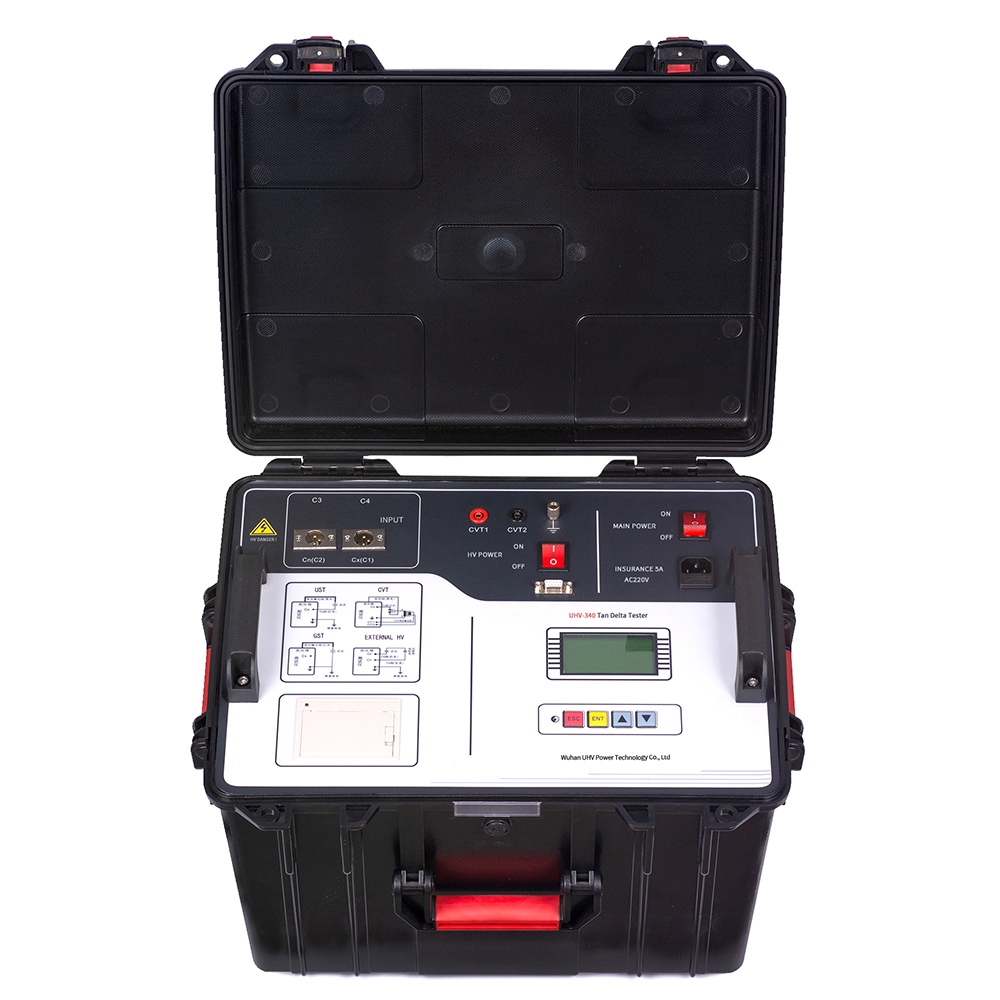
Dielectric loss, in simple terms, refers to the phenomenon in which a dielectric converts a portion of electrical energy into thermal energy under the action of an electric field. Imagine applying a voltage to an insulating material, which is not completely leakage free. Some of the energy will be lost in the form of heat, which is known as dielectric loss. The lower the loss value, the better the insulation performance of the material, and the less likely it is to age and be damaged.
There are many factors that affect dielectric loss, including:
Temperature: An increase in temperature usually leads to an increase in dielectric loss.
Humidity: A humid environment can adsorb moisture, which is conductive and therefore significantly increases medium loss.
Electric field strength: Within a certain range, as the electric field strength increases, the dielectric loss may also increase accordingly.
The properties of the material itself: Different insulation materials have different molecular structures and physical and chemical properties, and the inherent value of dielectric loss will also vary.
The degree of material aging: Insulation materials will age and their performance will decrease over time, and the dielectric loss will naturally increase.
In order to accurately and efficiently measure this key indicator, Wuhan UHV Power Technology Co., Ltd. is committed to developing and providing advanced automatic dielectric loss testers. This type of instrument can automatically measure, greatly simplifying the tedious manual operation and improving detection efficiency and accuracy. Through automated testing, we can identify potential issues more promptly.
How to use an automatic dielectric loss tester for better detection?
Standardized wiring: Strictly follow the instructions of the instrument for power equipment testing to ensure correct connection and avoid virtual connections or short circuits.
Choose the appropriate test voltage: Select the appropriate test voltage based on the voltage level of the tested equipment and the characteristics of the insulation material.
Environmental control: Testing should be conducted in a dry and stable environment as much as possible to reduce interference from environmental factors.
Data analysis: After the test is completed, carefully analyze the insulation dielectric loss data, compare it with historical data and standard values, and determine the operating status of the equipment.
The instruments of Wuhan UHV Power Technology Co., Ltd. play an important role in the insulation performance testing of high-voltage electrical equipment, helping users to have a more comprehensive understanding of the health status of the equipment. Having a reliable automatic dielectric loss tester is like installing a pair of "golden eyes" on power equipment, which can provide timely warnings and prevent problems before they occur.
Frequently Asked Questions (FAQ)
Q: What is an automatic dielectric loss tester? A: The automatic dielectric loss tester is a specialized instrument used to measure the dielectric loss of insulation materials in electrical equipment. It can automatically complete the testing process, reduce manual intervention, and improve efficiency and accuracy.
Q: What is the relationship between dielectric loss and insulation resistance? A: Dielectric loss and insulation resistance are important indicators for measuring insulation performance. Dielectric loss reflects the energy loss of insulating materials under an electric field, while insulation resistance reflects the leakage current of the material. The two are usually related, and an increase in dielectric loss is often accompanied by a decrease in insulation resistance.
Q: What factors can affect the measurement results of dielectric loss? A: The main influencing factors include the environmental temperature, humidity, electric field strength during testing, the properties of the tested material itself, and the degree of material aging.
Q: Why is dielectric loss an important indicator for judging the quality of transformer oil? A: As an insulating medium, the dielectric loss value of transformer oil directly reflects the purity, moisture content, and oxidation degree of the oil. High dielectric loss usually means a decrease in the insulation performance of transformer oil, which may contain moisture or impurities and require treatment or replacement.
Q: What are the characteristics of the automatic dielectric loss tester of Wuhan UHV Power Technology Co., Ltd? A: Our instruments are characterized by high precision, full automation, easy operation, and reliable data. They are widely used for insulation diagnosis and maintenance of various high-voltage electrical equipment, providing strong guarantees for the safe and stable operation of the power system.