In the stable operation of the power system, cables play a crucial role. Once a cable malfunctions, it can affect power supply in some cases and cause safety accidents in others. At this point, an efficient and accurate cable fault testing system becomes particularly crucial. What exactly is this system? How does it work?
What is a cable fault testing system?
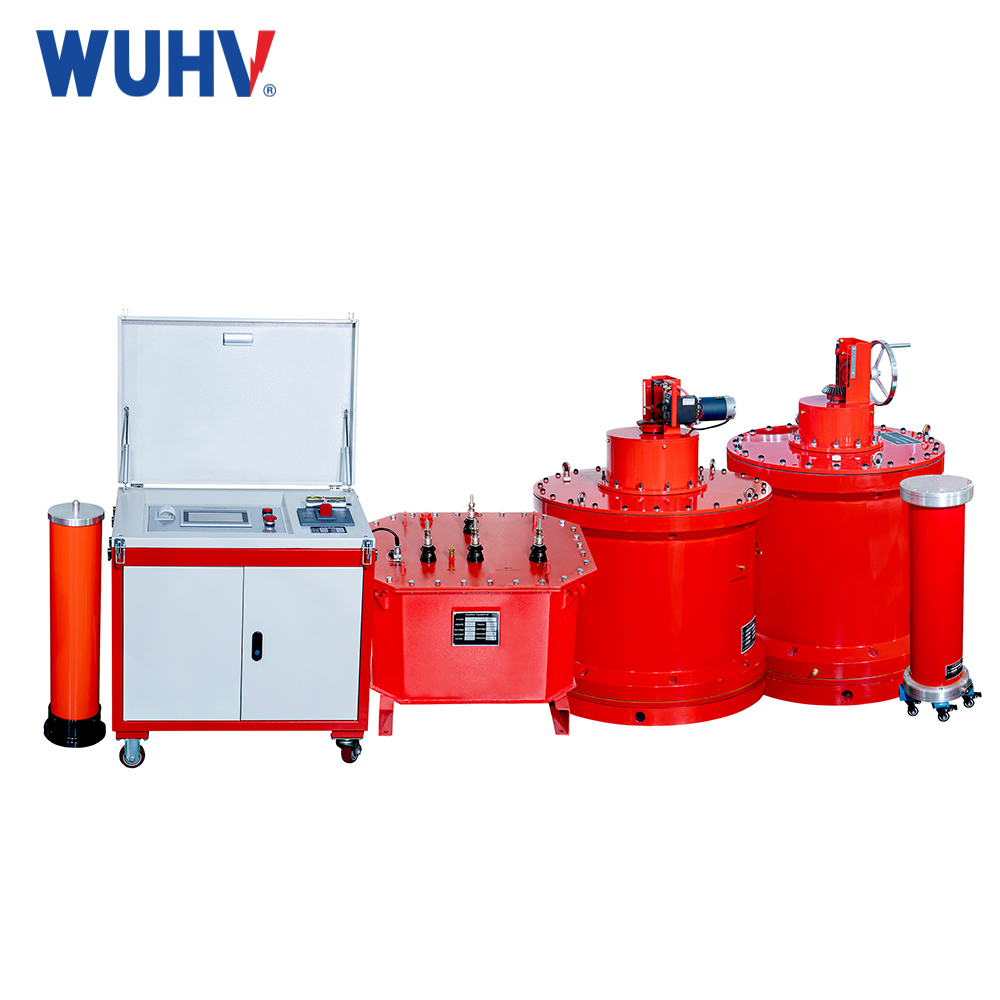
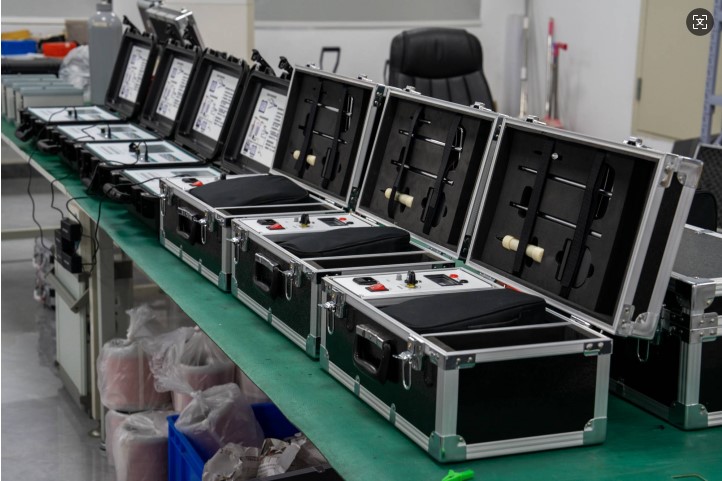
Simply put, a cable fault testing system is a set of equipment and software that integrates multiple advanced technologies, specifically designed to quickly and accurately locate the fault point of power cables. It is like the "doctor" of the power system, able to diagnose the "symptoms" of cables and buy valuable time for repairs. This system typically includes components such as a signal generator, pulse generator, high-voltage power supply, locator, and data analysis software.
Factors affecting cable fault testing
To make fault location more accurate, we need to consider several aspects:
The type and length of cables: Different materials and lengths of cables have different propagation characteristics of fault signals.
The nature of the fault: is it a ground fault, short circuit fault, or open circuit fault? Different types of faults produce different signal characteristics.
External environment: The conductivity of soil, underground obstacles, etc. can all affect the propagation of signals.
The accuracy of testing equipment: The sensitivity and resolution of the equipment are directly related to the accuracy of positioning.
A tool to tackle challenges
In the face of complex fault situations, we need to use a series of tools to improve testing efficiency:
High voltage pulse generator: capable of generating powerful pulse signals to help excite fault points and emit detectable signals.
Acoustic and electromagnetic wave detector: By receiving sound waves or electromagnetic waves generated by the fault point, combined with the time difference of the signal, the fault location can be determined.
Intelligent analysis software: using big data and algorithms to intelligently analyze the collected signals, improving the accuracy and intelligence level of positioning.
Wuhan UHV Power Technology Co., Ltd. is deeply engaged in this field and committed to providing advanced cable fault testing solutions.
How can fault testing be done better?
To optimize the effectiveness of cable fault testing, we can do the following:
Accurate fault diagnosis: Before testing, collect detailed information about the cable as much as possible, such as model, laying year, historical fault records, etc., which helps to preliminarily determine the type of fault.
Choose the appropriate testing method: Based on the cable type and estimated fault type, select the most suitable testing instrument and method. For example, for cables buried deeper, acoustic testing may be more effective; For near surface faults, electromagnetic wave method may be more applicable.
Multi method verification: Do not rely solely on one testing method. Multiple methods can be combined for cross validation, and once different methods point to the same area, the probability of failure in that area greatly increases.
Pay attention to signal details: When collecting signals, pay attention to subtle signal changes, which are often the key to accurate positioning.
The equipment of Wuhan UHV Power Technology Co., Ltd. has fully considered these factors in its design, striving to provide reliable test results even in complex environments.
Focus on related fields
Cable fault testing is closely related to multiple fields:
Operation and maintenance of power system: It is the foundation for ensuring the safety and reliability of power supply.
Cable manufacturing and laying: Good manufacturing processes and standardized laying are the sources that reduce the occurrence of faults.
Information technology and big data: Intelligent testing systems cannot do without advanced information technology support.
The intelligent cable fault testing system launched by Wuhan UHV Power Technology Co., Ltd. is a model of integrating these advanced technologies.
Frequently Asked Questions (FAQ)
Q1: What are the main types of cable fault testing systems? A1: It is mainly divided into time domain reflectometry (TDR), pulse method, electromagnetic wave method, acoustic measurement method, etc.
Q2: Which testing method is most suitable for locating cable faults at close range? A2: For close range faults, the TDR method or high-voltage pulse method combined with electromagnetic wave detection is usually more effective.
Q3: How does the cable fault testing system ensure the accuracy of positioning? A3: Improve accuracy through high-precision instruments, intelligent algorithm analysis, and multi method cross validation.
Q4: What kind of cable faults are the most difficult to locate? A4: High resistance grounding faults and disconnection faults are relatively difficult to locate directly and require special testing techniques.
Q5: How to choose suitable cable fault testing equipment? A5: It is necessary to comprehensively consider factors such as cable type, voltage level, possible types of faults, and budget. Professional manufacturers such as Wuhan UHV Power Technology Co., Ltd. can be consulted.