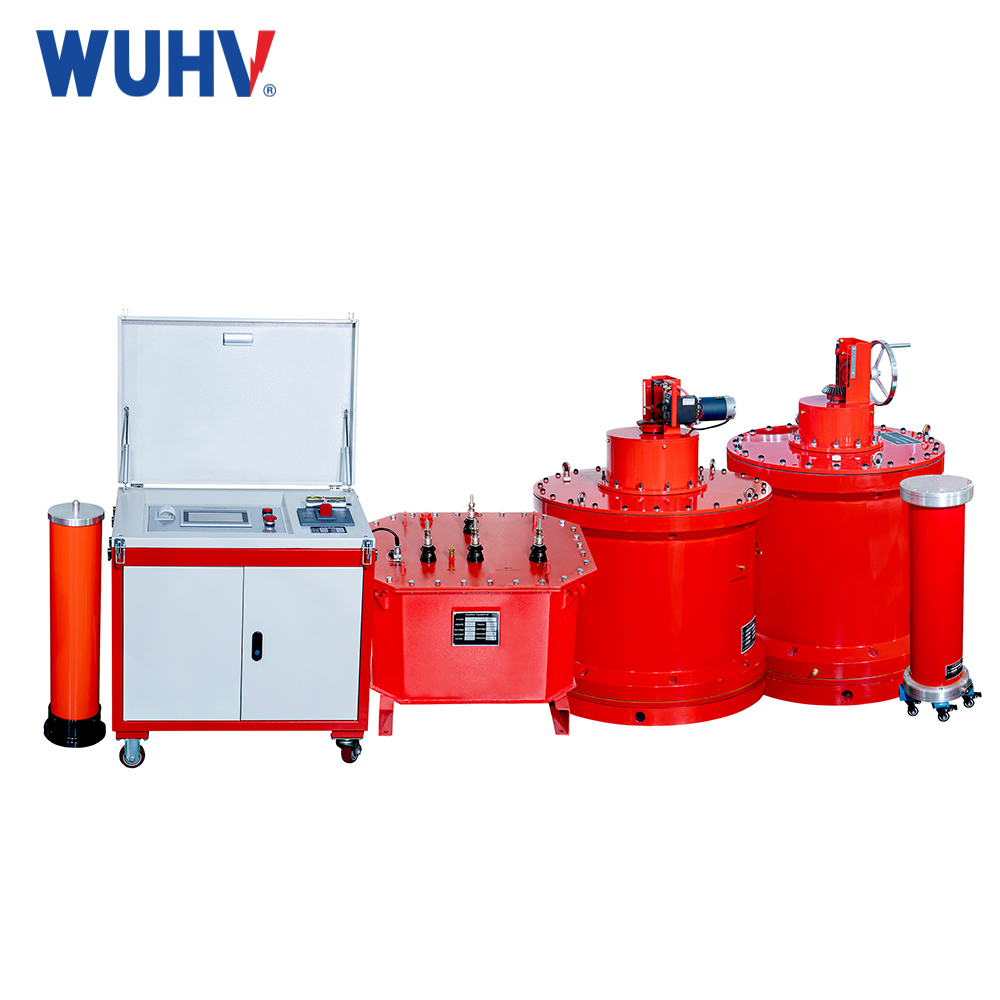
Grounding is a very important part of the normal operation of power systems and various electronic devices, as it directly affects the safety and stability of the equipment. How to accurately measure the resistance value of grounding? Today, let's talk about the "Electronic Grounding Resistance Tester" as a reliable assistant and see what problems it can help us solve.
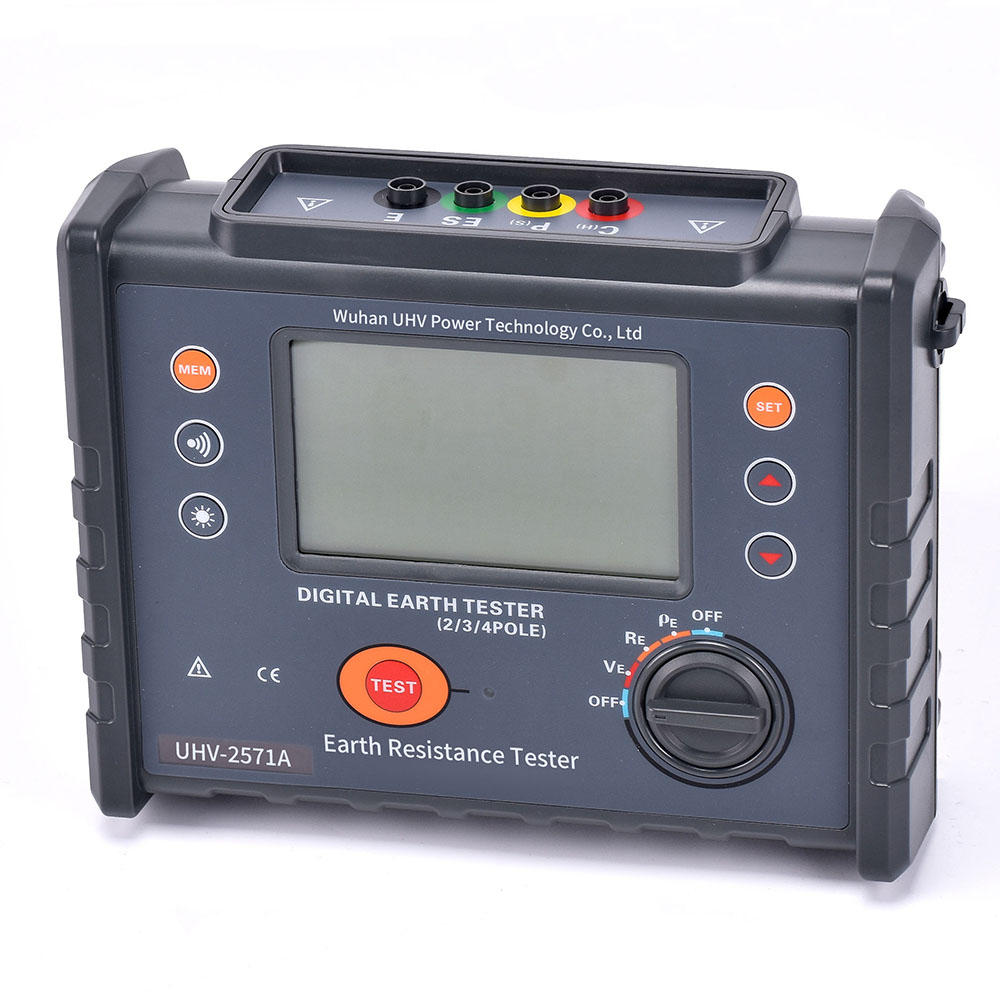
What is an electronic grounding resistance tester?
Simply put, an electronic grounding resistance tester is an instrument specifically designed to measure the resistance value of grounding devices. It can visually display the "health status" of the grounding system through specific testing methods. A good grounding system should have a lower resistance value in order to effectively guide fault currents into the ground and protect equipment and personal safety.
The 'things' that affect grounding resistance
Soil resistivity: This is the most important factor! The humidity and composition of soil (such as salt content and organic matter content) directly affect its electrical resistivity.
The size and burial depth of the grounding body itself: The larger and deeper the grounding body, the lower the resistance usually.
Distance between grounding bodies: If multiple grounding bodies are connected in parallel, their distances also need to be designed reasonably to avoid mutual influence.
Climate change, such as seasonal droughts or rainy seasons, can alter the conductivity of soil.
What tools can help us' detect 'grounding?
In addition to the electronic ground resistance tester we are going to talk about today, there are also some auxiliary tools, such as:
Grounding lead and fixture: used to connect the tester and the tested grounding body.
Soil moisture meter: assists in determining the conductivity of soil.
GPS positioning device: records the accurate location of the grounding point for easy maintenance in the future.
The grounding resistance tester is closely related to them
The safety of the power supply system: Good grounding is the key to preventing accidents such as lightning strikes and electric shock.
The stability of electronic devices, especially precision electronic devices, requires high grounding, otherwise they are susceptible to electromagnetic interference.
Compliance of electrical engineering: Many countries and regions have clear requirements for grounding resistance values in their electrical specifications.
How to make good use of this' artifact '?
Using an electronic ground resistance tester usually requires following certain steps. Generally speaking, testers need to insert the two probes of the tester into the soil and connect them to the tested grounding body. The tester will apply a current and measure the voltage to calculate the grounding resistance using Ohm's law.
Choose the appropriate testing method: Common methods include three pole method, four pole method, etc. Choose according to the actual situation.
Ensure testing environment: Testing should be conducted as much as possible after rain or with moderate soil moisture, as the results will be more accurate.
Regular testing: The performance of the grounding system may change over time, and regular testing is essential.
We, Wuhan UHV Power Technology Co., Ltd., have been committed to providing professional and reliable power testing equipment. We have professional solutions for precision grounding resistance testing and other high-voltage electrical equipment inspection.
FAQ
Is it better to have a smaller grounding resistance? Yes, generally speaking, the smaller the grounding resistance, the better the conductivity, and the more effectively it can discharge fault currents, providing better safety protection.
What are the requirements for grounding resistance of different types of electronic devices? The requirements for grounding resistance vary among different types of equipment. For example, communication equipment and computer systems typically have higher requirements for grounding resistance than ordinary power equipment to reduce electromagnetic interference.
What should I do if the soil resistivity is too high? If the soil resistivity is too high, you can try increasing the number of grounding bodies, increasing the size of grounding bodies, reducing the burial depth of grounding bodies, or using resistance reducing agents to reduce grounding resistance.
Why do multiple probes need to be used for grounding resistance testing? The use of multiple probes (such as three pole method or four pole method) is to more accurately measure the resistance of the grounding body itself and eliminate the interference of soil resistance on the measurement results.
What are the advantages of Wuhan UHV Power Technology Co., Ltd.'s products in grounding resistance testing? The products of Wuhan UHV Power Technology Co., Ltd. are known for their high precision, high reliability, and easy operation, which can meet the grounding resistance testing needs in different scenarios and provide comprehensive technical support and after-sales service.